The Imperfect Perfection of Panorama

The panorama lens is neither boomer nor genZ. It sits outside the bracket of live photos and portrait mood, away from the hint of zoom on every family photo (that is there because your dad took it).
It goes the other way. It welcomes imperfection with open arms. (It's like Young Thug using “reverse autotune” (zero-onset and fast retune speeds to flatten natural pitch fluctuations) to make his voice sound more monotone). It's brilliant, and I love it.
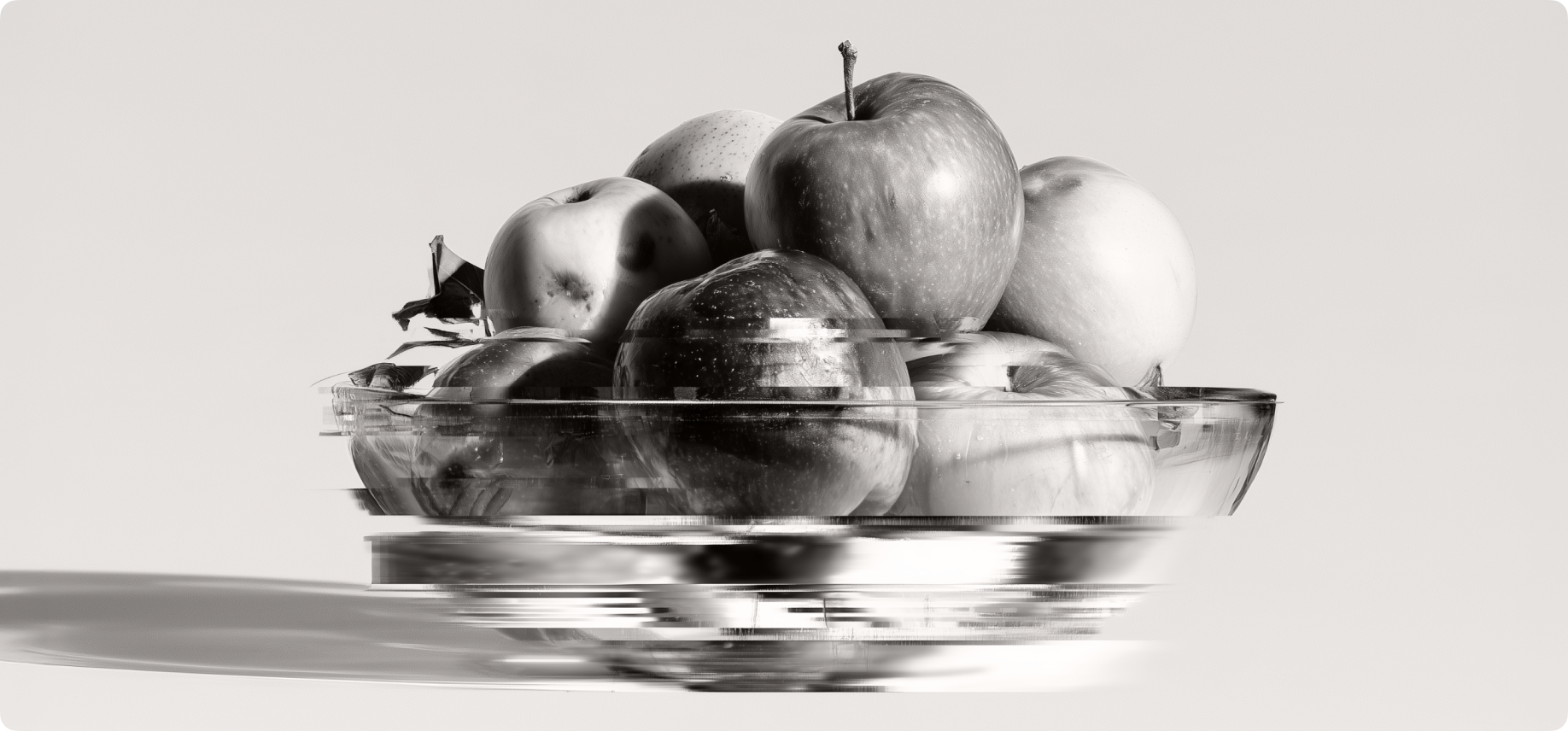
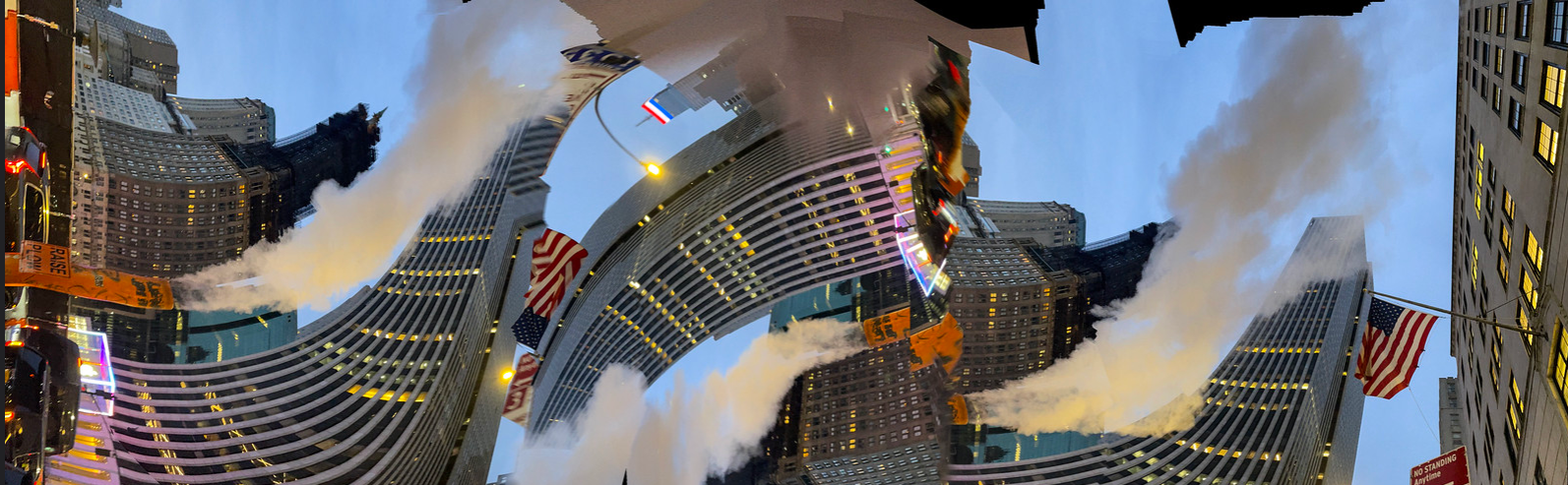
Every other mode tells a lie about the device's capability, or ‘fixes’ something - portrait fakes a lens it doesn't have, Live Photos hide their own seams. Whereas panorama creates blemishes in abundance - it stitches frame to frame in real time, so a hand that moves too fast, pauses, or shakes leaves evidence of its truancy stitched right into the image. Fractured panes, long limbs, an endless torso or a sky that stretches from side to side on the black mirrors we call home. These imperfections remind us of the reality of the image. Being reflected in some pristine canonised aesthetic isn't as desirable as it used to be, it almost looks generated, anyone can buy that now. Skip the semantics of 'the aesthetic' itself and just take the baseline assumption: imperfection you can't control, like panorama's, has always read as less desirable than imperfection you can direct.
Panorama versus the Canon
Working inside the canon, panorama gets disciplined into looking accidental on purpose - a surgical effort to disguise the hand behind it: a clean skyline, a seamless buildingscape. But there will inevitably always be nods to the entity behind it, a slight break in the line, an image that bleeds at the side of the screen. Design has been going the other way for a while now - smoother renders, cleaner CGI, brands staging impossible objects with surgical precision because AI made "flawless" the default setting.
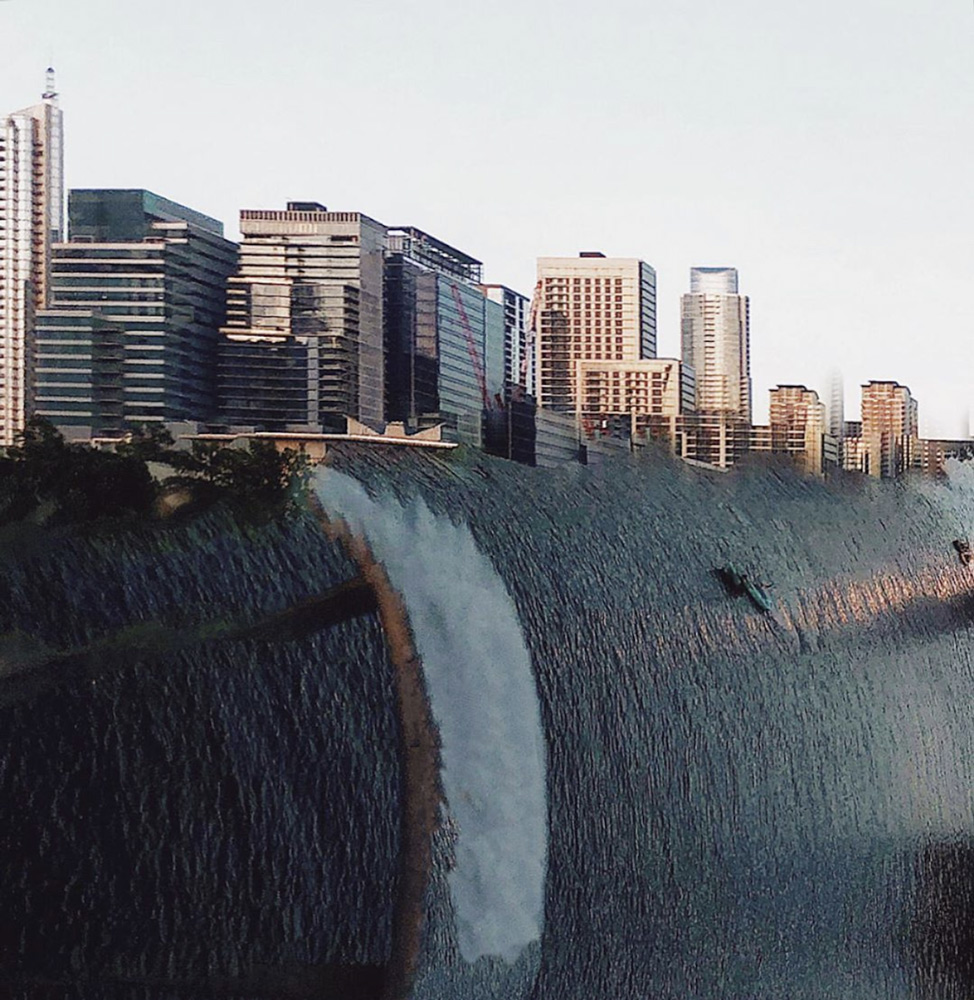
Photographer Ryan Brocha built his signature surreal style after discovering the panorama glitch by accident, and a Flickr group called PANO-Vision (founded 2014 by Paul Ewing and Richard Warner) is dedicated entirely to images made by intentionally warping the smartphone panorama algorithm. In both cases the glitch came first and the discipline got built around it after - which is a harder thing to fake than a brief that opens with "what if imperfection."
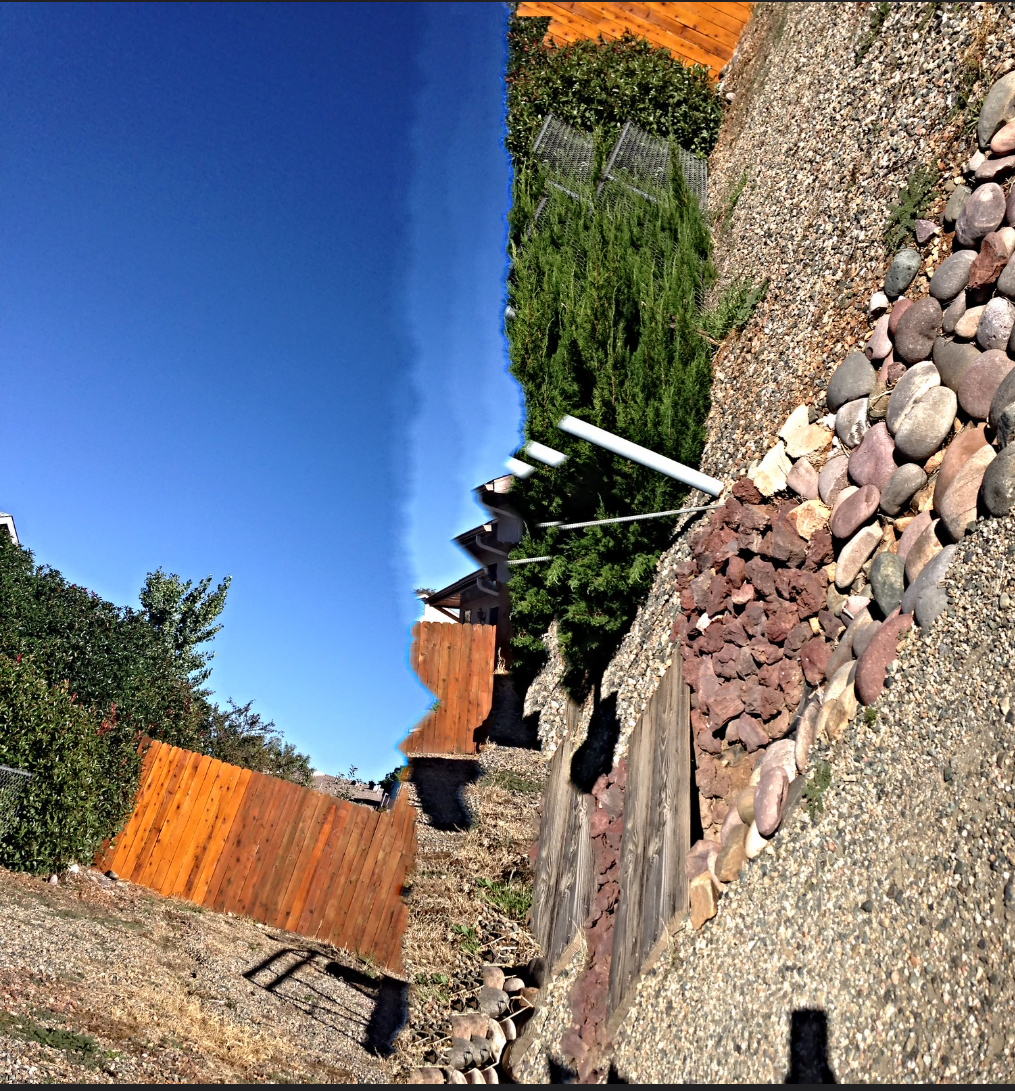
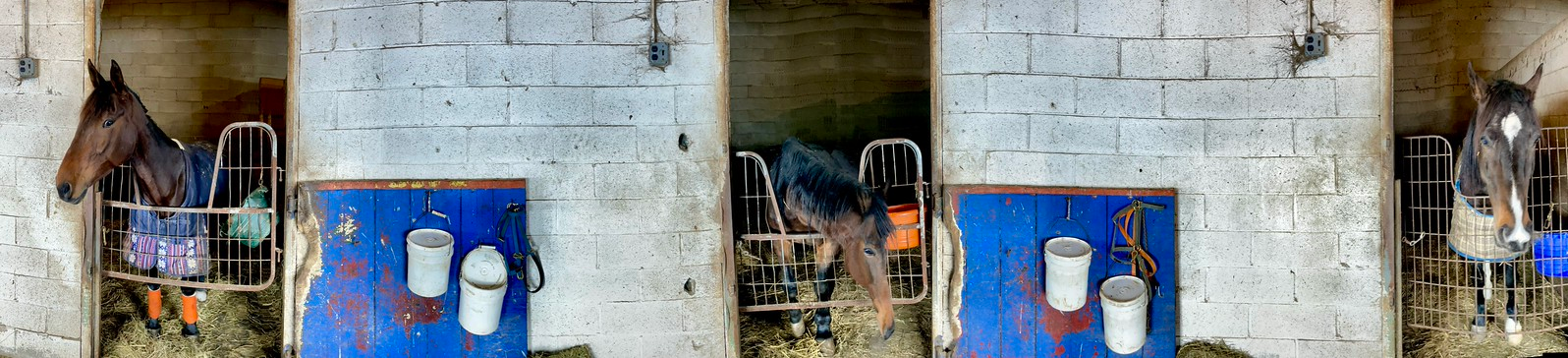
One PANO-Vision image, titled "Drive By Shooting," makes the joke explicit: an iPhone set to panorama, then swept across a suburban rock garden the way you'd spray a scene with an automatic weapon. The sky tears, a fence rail buckles, the rocks smear into a streak. It's funny because the violence of the title and the total banality of the subject - landscaping - don't match, and you only get the joke if you already know what panorama is supposed to fail at. That's what makes it esoteric rather than just weird: it isn't performing randomness for an audience.
Panorama didn't invent the bit, it just made it free and available to everyone with a phone. John Cage was flipping coins to write music decades before this - deliberately handing the decision to chance because his own taste was the thing he didn't trust. Even tape hiss and light leaks went through this arc, engineered out for decades, then paid for on purpose the second digital made "clean" the default and therefore boring. What links all of these to panorama specifically (and not just "imperfect art" generally) is that the artist doesn't know the failure mode in advance. Cage set the rules and let chance run them. PANO-Vision built a whole aesthetic around waiting to see what the glitch would do, rather than art-directing the glitch itself. In both cases the "confidence" is upstream of the result - it's trust in a process you've set in motion, not control over where it lands.
I like it because in an overly routined structured world we rarely are absolutely in the dark. Panorama is an effective approach to creating and then considering an answer we never knew we wanted. Bring back the #panoramafail.